

Russia has announced that it will halt the transit of Kazakh crude oil to Germany via the Druzhba pipeline starting May 1, a move that directly affects supplies to a key refinery near Berlin and raises fresh concerns over European energy stability.
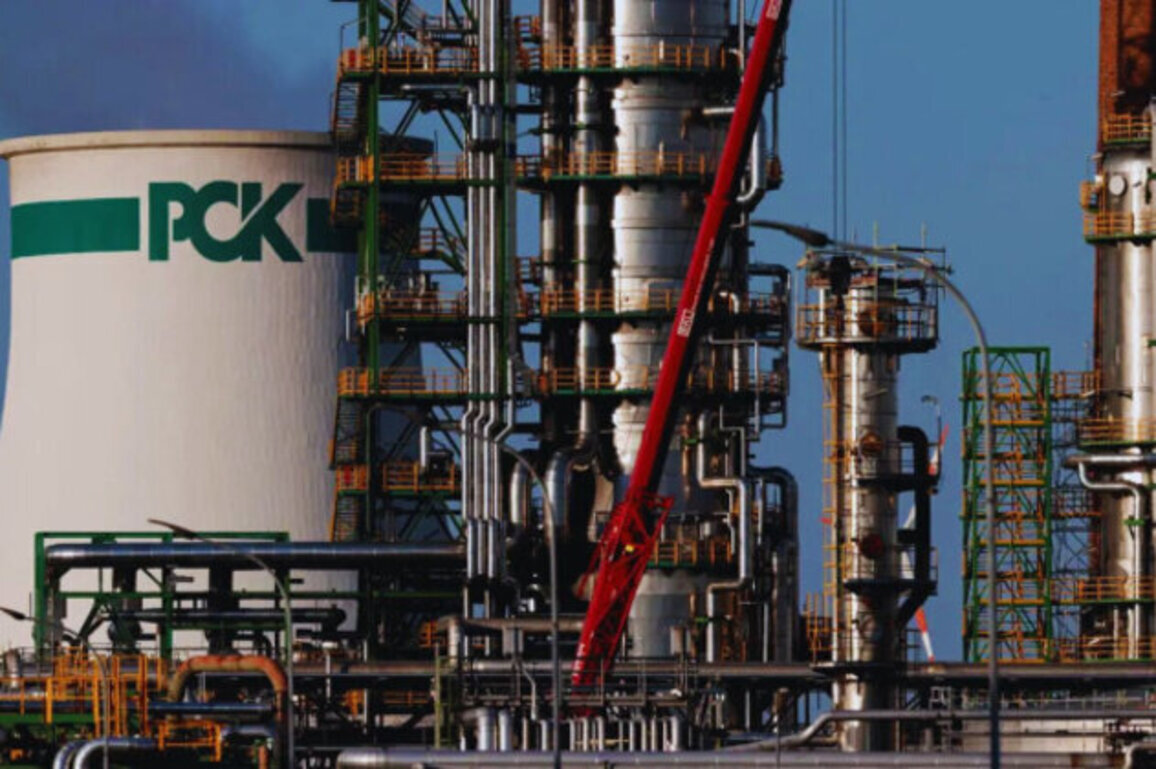
The decision was confirmed by Russian Deputy Prime Minister Alexander Novak, who said the interruption is linked to what Moscow described as ?technical possibilities,? without providing further clarification. The affected route supplies the PCK Schwedt refinery in northeastern Germany, a facility that plays a central role in fuel distribution for Berlin and surrounding regions.
The refinery currently relies on Kazakh crude for around 17% of its total intake, which amounts to roughly 43,000 barrels per day. Although alternative supply routes exist, industry experts warn that the loss of Druzhba volumes could force operational adjustments and tighter margins.
Novak framed the decision in political terms, noting that Germany had already distanced itself from Russian energy dependence. He said, ?The Germans have given up on Russian oil, so they are doing fine.?
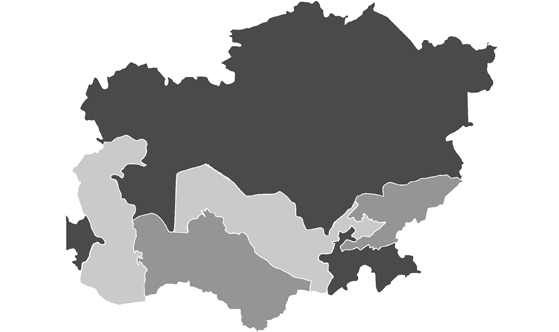
According to Russian and industry sources, the affected exports will be redirected to other logistics channels. Kazakhstan's shipments via Druzhba have increased significantly in recent years, reaching more than 2.1 million metric tons in 2025, with further growth recorded in early 2026.
The northern section of the pipeline, which supplies Germany, operates separately from the southern branch that continues to serve Hungary and Slovakia. That southern route is expected to resume operations following recent repairs linked to earlier damage.
Germany's PCK Schwedt refinery, previously under the control of Russian energy company Rosneft, has been operating under a government trusteeship since 2022. The move followed Germany's decision to take control of Russian-linked energy assets after the invasion of Ukraine.
While Rosneft remains the legal majority shareholder, with a 54.17% stake, operational authority now rests with German regulators. Shell and Eni also hold minority shares in the facility.
Germany's economy ministry confirmed it had been informed of the planned disruption, saying Rosneft's German subsidiary was reviewing the implications. Officials stressed that contingency measures are in place.
?Existing options will be utilised to ensure security of supply in Germany,? the ministry said, adding that national fuel supplies remain stable despite the expected reduction in pipeline volumes.
Authorities pointed to alternative import routes through ports such as Rostock and Gdansk, which can supply crude to the refinery via connecting infrastructure. However, they acknowledged that regional pricing fluctuations could still occur as supply chains adjust.
Energy regulators said they are closely monitoring the situation, coordinating with companies involved in distribution and refining to prevent disruptions. While the federal government does not anticipate immediate shortages, it confirmed that PCK may have to operate at reduced capacity.
The refinery is considered essential for Germany's eastern fuel network, producing a large share of petrol, diesel, and heating oil for the capital region. Despite diversification efforts since 2022, it still processes nearly 12 million metric tons of crude annually, with Druzhba-linked volumes forming a notable share.
The timing of the decision has added pressure to Europe's broader energy landscape, which is already strained by disruptions in global oil flows linked to geopolitical tensions in the Middle East. Rising prices and supply uncertainty have compounded concerns across transport and industrial sectors.
Experts say the move underscores Russia's continued leverage over European energy security despite the EU's efforts to reduce dependency on Russian fossil fuels. Since 2022, Europe has significantly cut its reliance on Russian oil and gas, but certain infrastructure dependencies remain.
Analysts warn that even relatively small supply channels can have disproportionate effects on specific refineries and regional markets. Calls have therefore intensified within the EU to complete the phase-out of Russian energy imports in line with existing long-term policy targets.
Bulgaria provides a similar example of how formal bans on Russian crude do not always fully remove underlying dependencies. Since March 2024, the country's only refinery, Lukoil Neftochim Burgas, has been legally barred from processing Russian oil and now operates on alternative supplies such as Kazakh KEBCO crude and other non-Russian grades. However, KEBCO itself is transported through Russian pipeline infrastructure before reaching global markets, meaning Russia still benefits from transit fees despite the rebranding of origin. The refinery also remains under a state-appointed administrator following US sanctions on Lukoil, with strict rules preventing profit flows back to Russia, while the company retains legal ownership. At the same time, the facility was originally designed for Urals-type crude, and full adaptation to other grades would require substantial investment, underscoring the continued technical and logistical links to the Russian energy system even after the official import ban. Read more: